
'Bismillah, se le tenebrae': Strange slogan in French student movement, controversy surrounds it
97 Repoter: 97 Admin
Publish : 2 hours agoUpdate: 55 minutes ago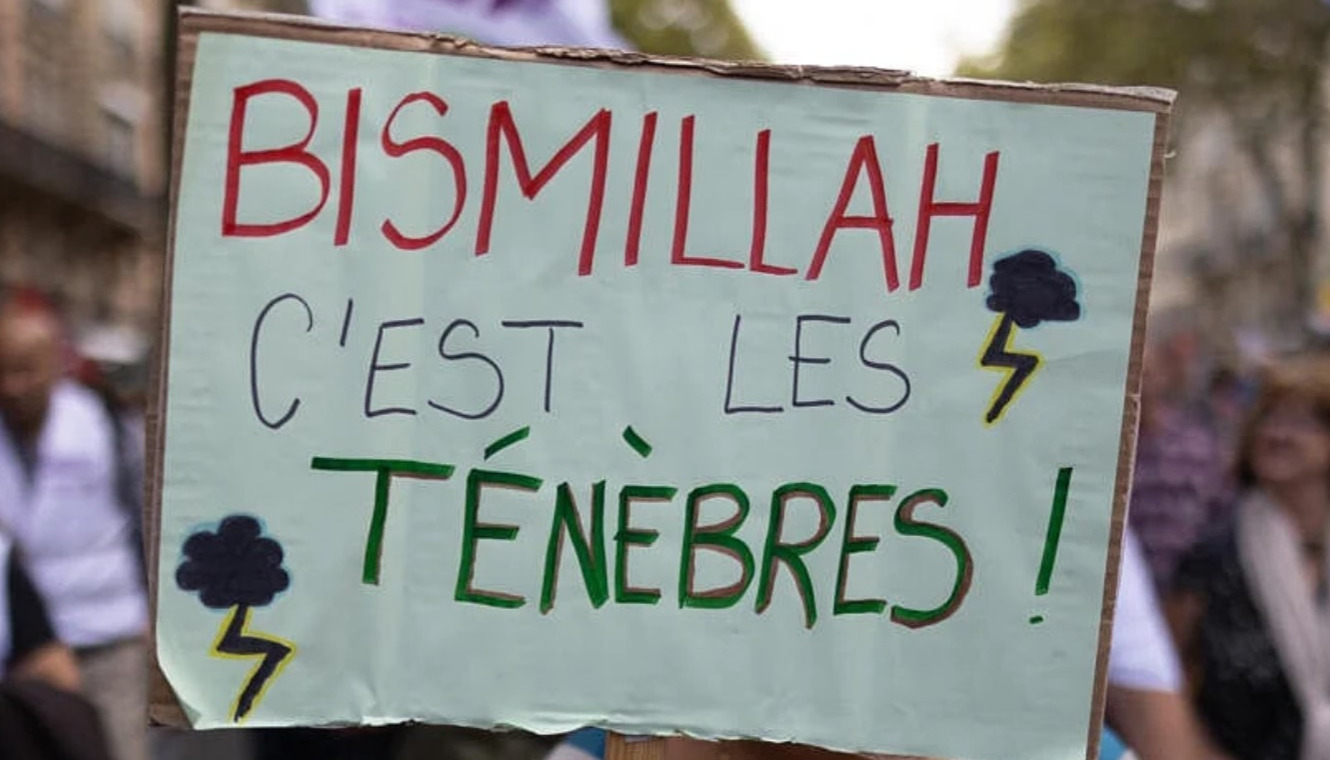
'Bismillah, se le tenebrae': Strange slogan in French student movement, controversy surrounds it
'Bismillah, se le tenebrae': Strange slogan in French student movement, controversy surrounds it
A satirical slogan has sparked a new discussion within the student movement in France. The phrase—"Bismillah, c'est les ténèbres"—a blend of Arabic and French, first circulated on social media. It has since become a symbol among protesters, used to mock the authorities' attempts to surveil or infiltrate the movement.
While the literal meaning of the slogan is unclear, the circumstances surrounding it have brought to light broader issues: the strained relationship between French youth and law enforcement, allegations of racial discrimination, and the generational divide surrounding the protests.
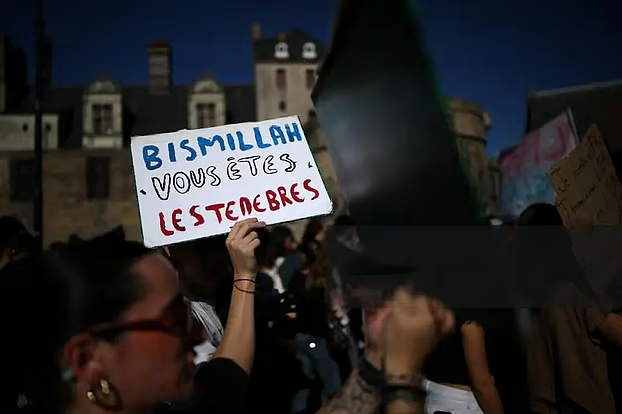
Where did "Bismillah, c'est les ténèbres" come from?
According to reports, the slogan originated from a message sent by an individual attempting to gain access to a private Snapchat group used by student protest organizers. The message read, "Bismillah, c'est les ténèbres," followed by the phrase, "We will smash everything to pieces."
The messages reportedly featured names like Mamadou and Abdoullah, along with an emoji of the Algerian flag. Although a blend of Arabic and French is common in the vernacular of French youth, the language used in these messages struck many as unnatural.
Some Snapchat users took screenshots of the messages and shared them on social media, triggering a wave of mockery and debate. *The New York Times* has not been able to independently verify the original source of these messages.
An attempt at police infiltration, or a reflection of racist stereotypes?
Many young people suspect that the messages may have been sent by law enforcement officials—that someone, in an attempt to infiltrate the student movement, tried to mimic the language and identity of the youth. However, no definitive evidence has emerged to support this claim.
The French Ministry of the Interior has declined to comment on whether any of its agents used the phrase. The Ministry did note, however, that investigators sometimes employ undercover identities online to detect plans for illegal activity. Through this, communications related to criminal activity could be collected and presented as evidence in legal proceedings.
For some of the protesters, this incident is not merely a matter of online surveillance. They allege that the messages were crafted to establish a preconceived link between young people of Arab descent and acts of violence or vandalism. Consequently, the slogan has become a vehicle for expressing long-standing grievances regarding racism and discrimination.
Why did the slogan become so popular among young people?
One reason for the slogan’s popularity among student protesters is its satirical nature. They believe it was written by someone who lacks a proper understanding of the language and culture of today’s youth. The protesters have turned this awkwardness into a source of humor.
Sabrine Kharbach, a spokesperson for an influential student union in France, notes that young people do not typically speak this way. By adopting the slogan as their own, the protesters are signaling that attempts at surveillance or infiltration will not hinder their ability to organize.
Sadani Sabadi, a student at the University of Bordeaux, argues that the messages reflect the authorities' own preconceived notions—implying that one’s identity is being used to pre-judge who might engage in vandalism or violence.
Fedre Kemen, a high school student in Paris, also views the phrase as a poor imitation of youth vernacular. According to Kemen, it reinforces the idea that those involved in property damage are all of Arab descent—a notion that can be seen as an example of a racist perspective.
The slogan has spread beyond France.
Through social media, the phrase "Bismillah, c'est les ténèbres" (In the name of God, it is the darkness) gained recognition outside of France. Reports indicate that the slogan has also been used during similar protests in Belgium and Germany.
Swedish environmental activist Greta Thunberg also uttered the phrase in a video posted on Instagram, expressing her solidarity with the student movement. In the video, he also mimics several gestures popular among Gen Z.
The spread of this slogan illustrates how even an unusual phrase can evolve into a recognizable symbol of a movement on social media—especially when it resonates with the sense of alienation and distrust that young people feel toward the authorities.
What were the demands that sparked the student protests?
At the onset of the student protests in French schools, the primary demands included the renovation of dilapidated school facilities, the recruitment of more teachers, a reduction in class sizes, and the easing of demanding academic schedules.
While many of the demonstrations remained peaceful, reports indicate that incidents of violence, arson, and vandalism occurred in some locations. The movement gradually merged with broader protests involving labor unions and other groups, eventually escalating into nationwide unrest.
Allegations of the use of excessive force by the police also emerged. According to reports, French oversight bodies began investigating several complaints regarding police conduct—including an incident in which a 14-year-old boy sustained serious injuries.
Ultimately, the slogan "Bismillah, c'est les ténèbres" is more than just a viral phrase; it has become a symbol of the grievances held by the younger generation in France—encompassing concerns about surveillance and discrimination based on identity. However, the origin of these messages and the specific allegations regarding police involvement have yet to be definitively established.