
A 5,000 taka fine just for having an e-TIN? What does the law say about failing to file an income tax return?
97 Repoter: 97 Admin
Publish : 1 hour agoUpdate: 1 second ago
A 5,000 taka fine just for having an e-TIN? What does the law say about failing to file an income tax return?
A 5,000 taka fine just for having an e-TIN? What does the law say about failing to file an income tax return?
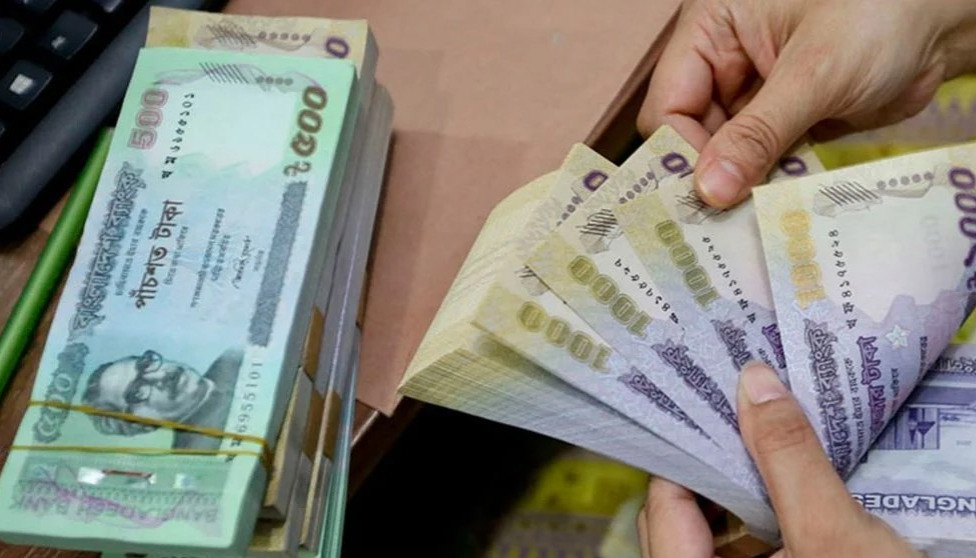
Confusion has arisen due to information circulating on social media suggesting that everyone with an e-TIN registration is being fined 5,000 taka for failing to file an income tax return. However, while the Income Tax Act, 2023, does include provisions for penalties for failing to file a return on time, a uniform, automatic fine of 5,000 taka does not apply to everyone. The amount of the penalty is determined based on the taxpayer's previous income assessment and the applicable legal provisions.
Furthermore, the new income tax framework for the 2026-27 fiscal year has introduced changes to the tax-free income threshold and various tax slabs. Consequently, it is essential to have a clear understanding of who is required to file a return, the potential penalties for failing to do so, and the current tax-free income limits.
What is the penalty for not filing an income tax return?
Under Section 266 of the Income Tax Act, 2023, the Deputy Commissioner of Taxes may impose a penalty if an income tax return is not filed by the prescribed deadline. The specific amount of the penalty is determined by taking the taxpayer's individual circumstances into account.
For taxpayers whose income has never been assessed before, the maximum penalty is 5,000 taka. In other words, it is not the case that everyone with an e-TIN is automatically subject to a 5,000 taka fine.
Conversely, for taxpayers whose income has been assessed previously, the penalty is calculated as either 50 percent of the tax payable on their most recently assessed income or 1,000 taka—whichever amount is higher.
Additionally, there is a minimum penalty of 1,000 taka. If the failure to file a return persists, an additional daily penalty of 50 taka may also be applied.
Who is required to file an income tax return?
Neither the mere possession of an e-TIN registration nor having an income below the tax-free threshold automatically exempts an individual from the obligation to file an income tax return in all cases. According to the regulations of the National Board of Revenue (NBR), specific categories of taxpayers are required to submit income tax returns.
This list includes:
- Those whose total annual income exceeds the tax-free income threshold set by the government.
- Partners in a firm, as well as directors or employees who are shareholders of a company.
- Individuals in various professions mandated by law, including government employees.
- Those who are required to provide proof of income tax return submission when obtaining bank loans or credit cards, registering land or property, or availing of certain specific services.
Therefore, even if your personal income falls below the taxable threshold, it is necessary to verify whether you are still obligated to file a return due to other legal requirements.
What should you do if you have no income or your income has decreased?
Many people have previously registered for an e-TIN for various purposes. Some of these individuals may currently have no income, or their income may no longer exceed the taxable threshold. However, a decrease in income or the fact that you are not currently liable to pay tax does not automatically exempt you from the obligation to file a return.
Subject to meeting the applicable criteria, you may apply to the relevant tax office to have your TIN cancelled. Whether such an application is approved, however, depends on the review and decision of the concerned authorities.
For this reason, before applying for the cancellation of a TIN, you should carefully assess your tax status and any legal obligations you may have regarding the submission of tax returns.
How to check for outstanding returns or tax notices
To determine if there are any outstanding tax returns or tax-related notices issued in your name, you can log in to the NBR’s official e-Return portal and verify the relevant information.
Portal: https://etaxnbr.gov.bd/
If necessary, you may also contact your designated tax circle office to obtain detailed information regarding your tax status.
What is the tax-free income threshold for the 2026-27 fiscal year?
The new income tax framework for the 2026-27 fiscal year includes changes to the tax-free income threshold and the tax slabs. However, the specific thresholds and tax slabs applicable to different categories of taxpayers have not been independently verified here. Therefore, for accurate calculations, one should refer to the latest notifications and income tax guidelines issued by the National Board of Revenue (NBR).

Assess your own tax situation—do not panic.
The claim that everyone with an e-TIN is automatically subject to a 5,000-taka penalty does not accurately reflect the provisions of the law. The penalty for failing to file a tax return depends on the applicable laws, previous income assessments, and the specific circumstances of the individual.
Instead of panicking over information circulating on social media, it is essential to verify your own obligations regarding tax return filing, any outstanding returns, and any tax-related notices you may have received. If necessary, ensure that your tax return is filed on time, or seek guidance from the relevant tax office.