
How Much Does Portugal Need Ronaldo Now? The Numbers Raise a New Question
97 Repoter: 97 Admin
Publish : 3 hours agoUpdate: 16 minutes ago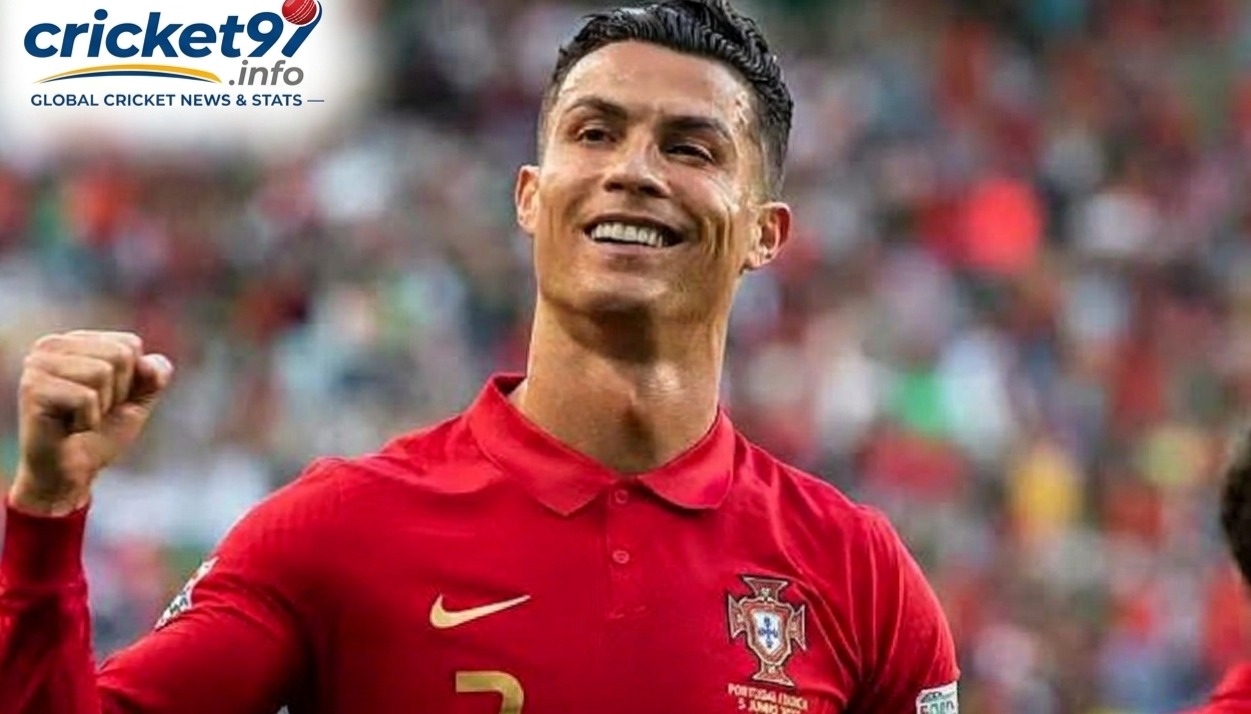
How Much Does Portugal Need Ronaldo Now? The Numbers Raise a New Question
How Much Does Portugal Need Ronaldo Now? The Numbers Raise a New Question
Cristiano Ronaldo's sudden departure from the Portugal camp has revived one of international football's longest-running debates: how much does Portugal actually depend on Ronaldo?
The question is not new. But at 41, with his international future now uncertain, the issue has taken on greater significance. The Portuguese Football Federation confirmed his departure from the camp, while Ronaldo said he would explain the real reason for leaving "in due time."
Beyond the emotion surrounding the situation, recent numbers offer an interesting perspective.
Portugal With and Without Ronaldo
Since 2017, Portugal's results with and without Ronaldo have not been separated by a huge margin.
According to recent statistical comparisons, Portugal have won 62 of 98 matches involving Ronaldo during that period, along with 18 draws and 18 defeats. Their win rate is around 63%.
Without Ronaldo, Portugal have won 20 of 28 matches, drawn eight and lost two. That produces a higher win rate, although the sample is much smaller and the strength of opposition, match context and reasons for Ronaldo's absence all matter when interpreting the numbers.
Portugal have also averaged more goals without Ronaldo in this period—2.7 per game compared with 2.1 when he played, according to the recent comparison.
That does not, by itself, prove that Portugal are a better team without Ronaldo. But it does show that the national side is no longer dependent on one player for its attacking output.
Portugal Have Plenty of Quality
The biggest difference between today's Portugal and earlier generations is the depth of talent available to the manager.
Bruno Fernandes, Bernardo Silva, Vitinha, Joao Neves and Nuno Mendes are among the players capable of influencing matches at the highest level. Portugal also have several players accustomed to competing for major trophies at club level.
When Jorge Jesus took charge, he stressed that current performances would be the basis for his decisions rather than reputation or past achievements.
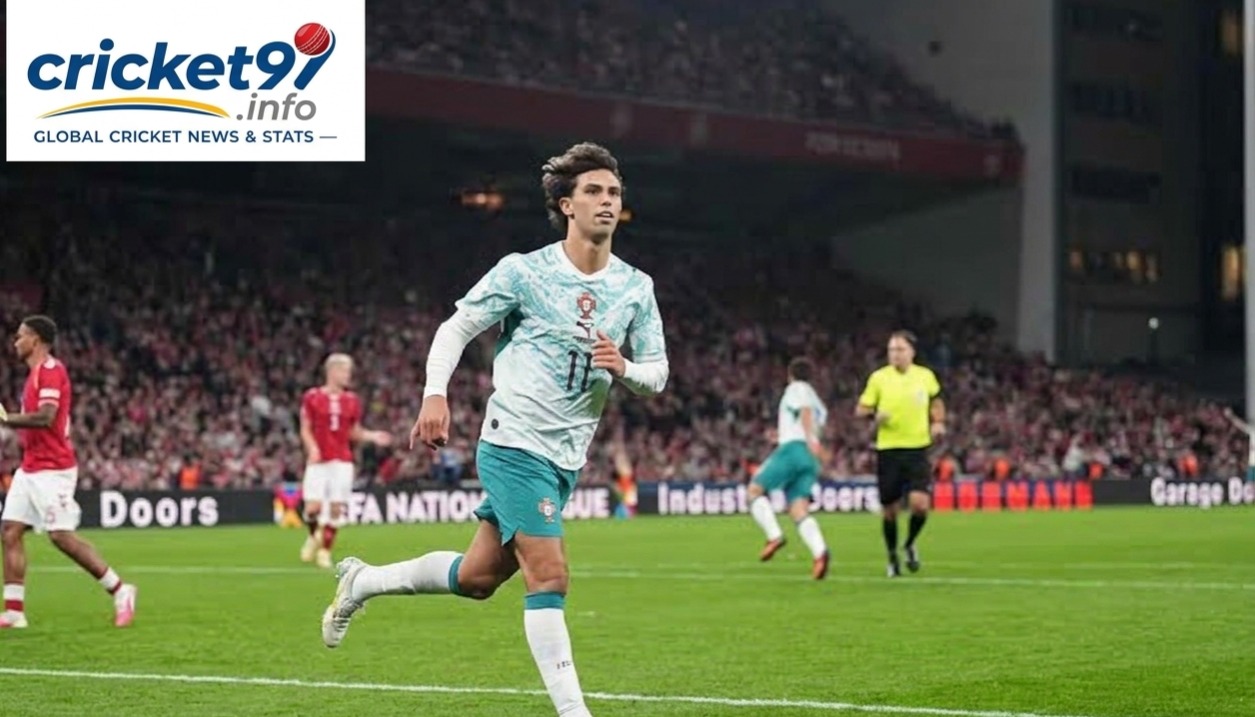
The recent events appear to have reflected that approach. Ronaldo was left on the bench against Norway before leaving the national team camp. Portugal then defeated Denmark 4-2 without him, with goals from Joao Cancelo, Goncalo Ramos, Vitinha and Joao Felix.
Yet Ronaldo's Historical Impact Is Undeniable
Recent performances cannot erase what Ronaldo has achieved with Portugal.
He currently holds the world record for men's international goals with 146 and is also the most-capped player in men's international football, with 234 appearances. He has continued to score for Portugal into 2026.
Before Ronaldo's era, Portugal had appeared at three World Cups and three European Championships without winning a major international trophy.
During his international career, Portugal became regular contenders at major tournaments and won Euro 2016 as well as UEFA Nations League titles.
His influence, therefore, extends far beyond his goal tally. Ronaldo has been central to the most successful period in Portugal's international history.
The Real Question Has Changed
Perhaps the debate should not simply be about whether Portugal are better with or without Ronaldo.
The more relevant question is what role a 41-year-old Ronaldo can play most effectively within a Portugal squad that now possesses considerable attacking depth.
His experience, goalscoring record and ability to perform on major occasions remain valuable. At the same time, Portugal have developed into a team capable of producing goals and creating chances without relying entirely on their long-time talisman.
The 4-2 victory over Denmark highlighted that reality, but one match—or even a particular statistical sample—cannot definitively settle the broader question.
Ronaldo's international future remains unclear. For now, he has said that the full explanation for his departure will come "in due time."
The question facing Portugal is therefore less about replacing a legend and more about determining how, and whether, Ronaldo fits into the next chapter of the national team.