
World Cup Impact: 8.4 Million More Soccer Fans in the US
97 Repoter: 97 Admin
Publish : 1 hour agoUpdate: 1 second ago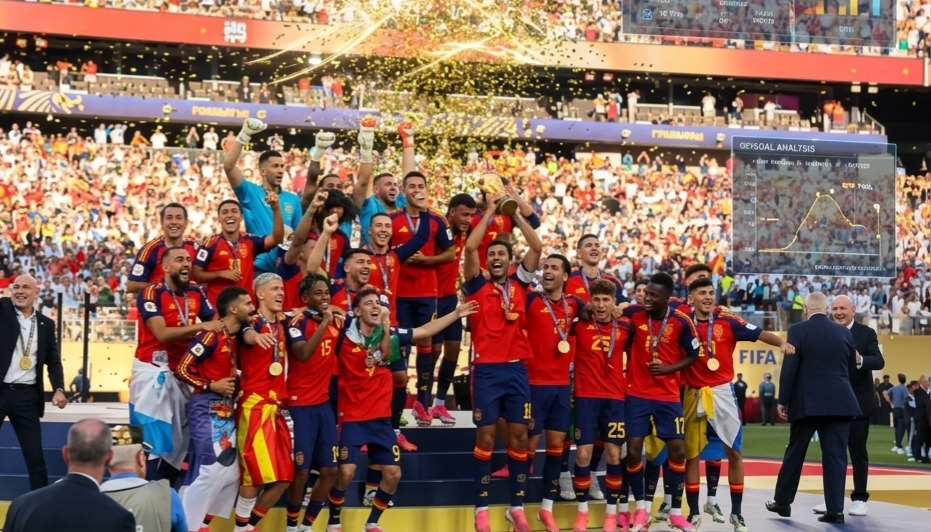
World Cup Impact: 8.4 Million More Soccer Fans in the US
World Cup Impact: 8.4 Million More Soccer Fans in the US
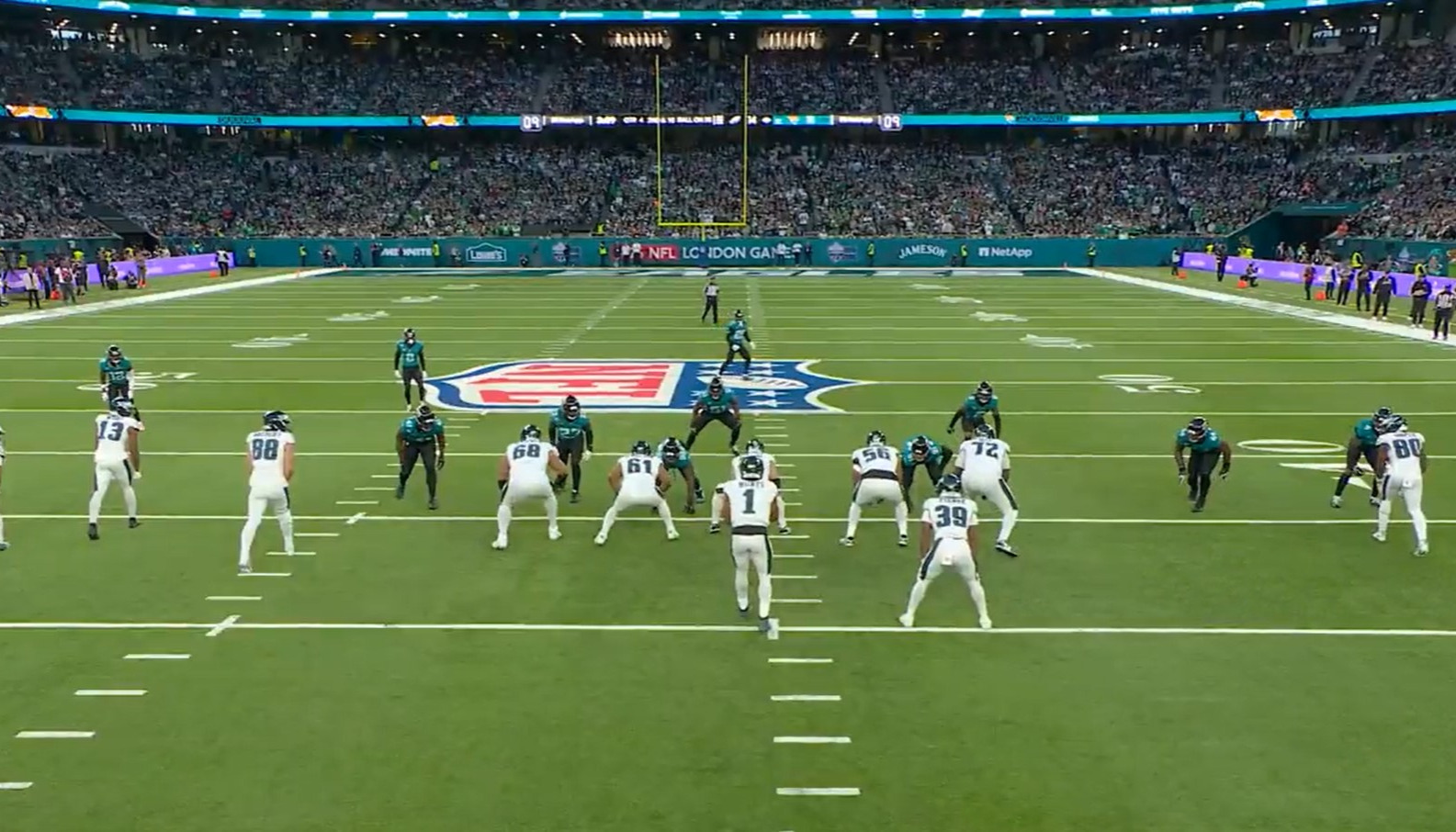
For decades, the word “football” in the United States primarily meant the NFL and its oval-shaped ball. But is that familiar sporting landscape beginning to change? The excitement surrounding the 2026 FIFA World Cup may have faded, but its impact on soccer’s popularity in the United States is becoming increasingly visible.
Recent data from market research firm Nielsen shows just how significant the growth has been. In July 2025, the United States had around 66.8 million soccer fans. By July 2026, that number had climbed to 75.2 million.
That means the country gained 8.4 million soccer fans in just 12 months.
Compared with 2022, the number of soccer fans in the US has increased by 27 percent. Major League Soccer has also seen significant growth, gaining 11.7 million supporters.
Club Soccer Is Benefiting Too
The World Cup effect has not been limited to national-team football. Interest in club competitions has also increased across American television audiences.
MLS matches broadcast on Fox saw a 55 percent increase among viewers aged 18 to 34. La Liga viewership rose 42 percent from the previous year, while the increase among younger viewers reached 60 percent.
English Premier League viewership also climbed by 30 percent.
The numbers suggest that many Americans who became interested in soccer during the World Cup are continuing to follow the sport after the tournament.
The World Cup Already Provided a Major Signal
The scale of the interest was evident during the tournament itself.
Matches on Spanish-language network Telemundo averaged around 6.3 million viewers, while Fox averaged more than 7.7 million viewers per match.
The July 19 final between Spain and Argentina was particularly historic, averaging 66.4 million viewers in the United States.
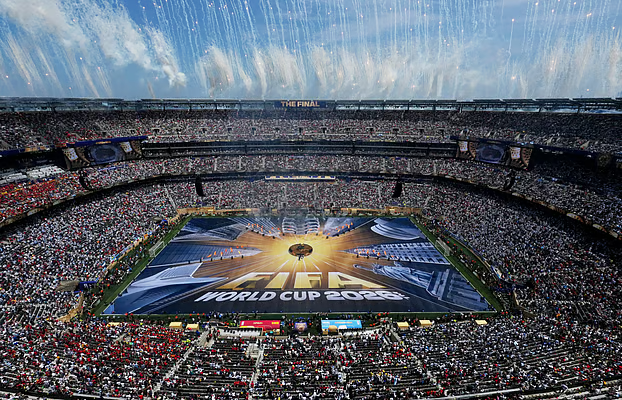
That made it one of the most-watched television events in American history and the most-watched program in the country since Super Bowl 60 in February.
According to Seth Ladetsky, Nielsen’s global head of sports, soccer’s popularity in the United States is no longer simply reaching record levels. It is also expanding among younger and broader segments of the population.
MLS Clubs Are Seeing the Impact
Major League Soccer is also attempting to capitalize on the momentum created by the World Cup.
The league’s message is clear: “Thank you, world. We’ll take it from here.”
The impact is already visible at the club level.
Philadelphia Union’s ticket sales have reportedly increased by 218 percent, while Nashville SC has recorded a 161 percent increase in online ticket sales.
Those figures suggest that some of the interest generated by the World Cup is now translating into demand for domestic club soccer.
NFL, NBA and MLB Remain the Biggest Challenge
Despite the rapid growth, soccer still trails the NFL, NBA and MLB in overall popularity in the United States.
American football, basketball and baseball have been deeply embedded in the country’s sporting culture for generations.
For MLS commissioner Don Garber, however, the bigger goal is long-term. The challenge is to turn the temporary excitement surrounding the World Cup into a lasting habit of following soccer.
That could prove crucial because the World Cup comes only once every four years, while MLS, the Premier League, La Liga and other competitions provide matches throughout the year.
With 8.4 million new soccer fans, a major increase among younger viewers, rising television audiences for club football and significant growth in MLS ticket sales, the post-World Cup numbers point to a changing soccer landscape in the United States.
The World Cup may be over, but its influence appears to be continuing.
The big question now is whether this is simply a post-tournament surge—or whether soccer is finally beginning to establish a permanent place in America’s sporting culture.